Commons Sense
×
Saint Beaumont Creative
Season 2 Production Partnership
We find the story first.
Everything else follows from that.
What keeps a listener through episode four is the human story behind the argument: real voices, real tension, a structure that earns attention minute by minute. We build every episode around that, work quickly, and plug in as a genuine extension of your team.
You need a production partner for Season 2.
Here's why a studio beats a solo freelancer.
Your brief covers a lot: script feedback, guest sourcing, on-site recording, and full post-production, held to one consistent standard across 6 to 8 episodes. A single freelancer who's genuinely strong across all of that is rare, most people are good at one or two parts of it. A small studio brings a producer, an editor, and a shooter to the same brief instead, so no part of the season is riding on one person's calendar.
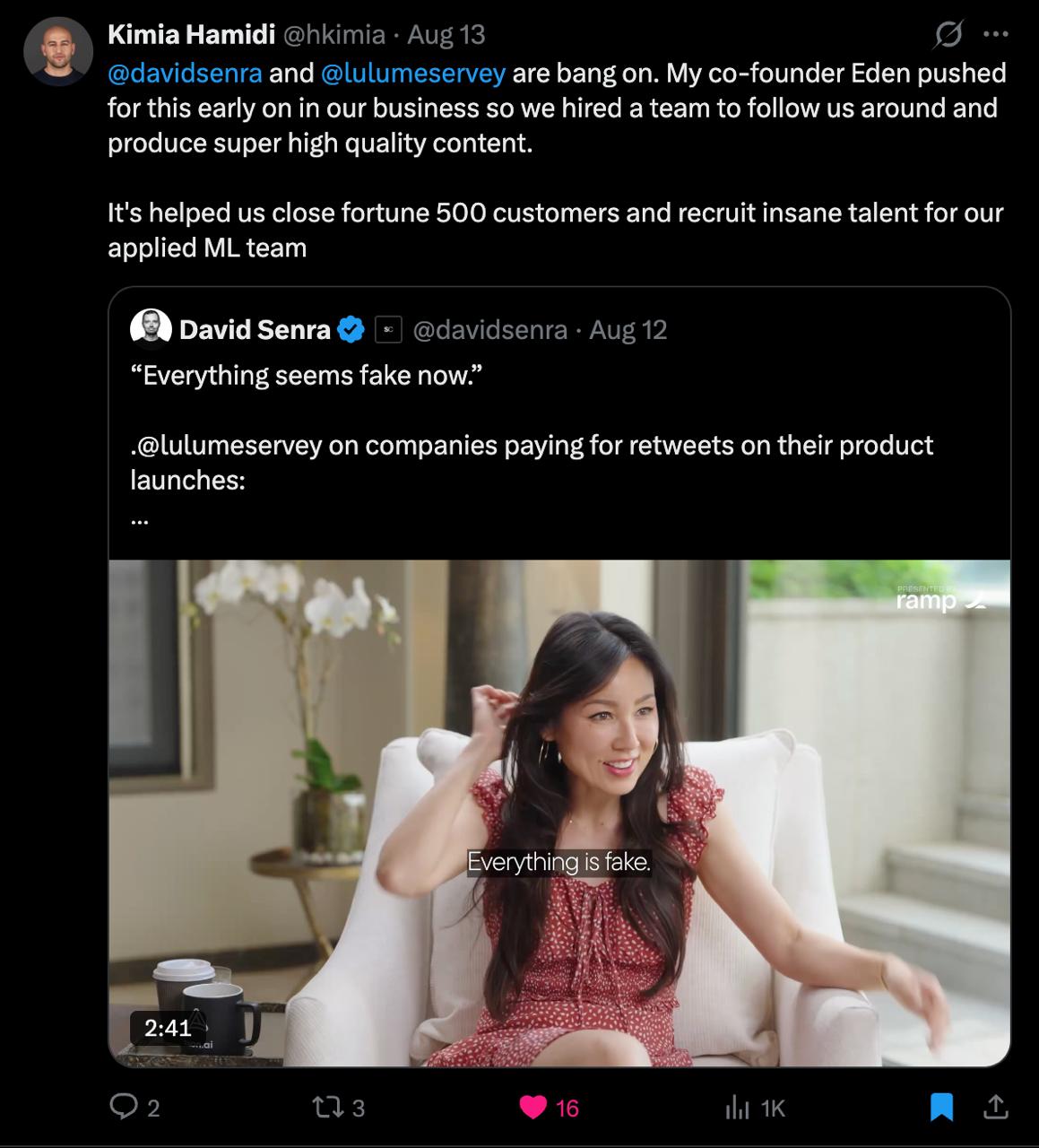
Our client NationGraph originally posted to hire a Founding Director of Media. We convinced them to embed our studio instead. It's going so well they just signed for a full year.
Two ways to staff Season 2
One team,
on every episode.
The same producer, editor, and on-site shooter from episode one to the last, so the season sounds consistent throughout.
Your production team

From script
to release.
Development & Script Consultation
Feedback on scripts and episode structure before recording starts, so every episode has a shape before it has a guest.
- Script and outline feedback, episode by episode
- Pacing and structure notes before recording
- Ongoing consultation through the season, not a one-time handoff
Recording & Guest Coordination
Guest coordination: we shortlist guests against each episode's theme, handle outreach and scheduling, and track responses, so a full season's calendar of interviews doesn't sit entirely on your desk between episodes.
On-site recording: for an education season, that's vox-pop streeters outside a school board meeting, quick reactions from students on a campus quad, or ambient classroom and hallway sound that grounds an episode in a real place instead of two mics in two different rooms. We travel for it, record it clean, and cut it in as texture, not a soundbite dump at the top of the episode.
- Guest shortlisting, outreach, and scheduling support
- Remote recording for the standard two-host interview format
- On-site days for streeters, vox pops, and location scene-setting
Post-Production & Edit
Long-form interviews cut for pacing, not just content, so a 90-minute conversation becomes a 30-minute episode that never drags. Every episode is mixed and mastered to broadcast loudness standards for podcasts, with room tone and noise matched across remote and on-site recordings, so a streeter segment never sounds stitched-in against the studio interview around it.
- Full edit from raw interview to finished episode, cut for pacing and rhythm
- Mixed and mastered to platform loudness standards, consistent episode to episode
- Room tone and noise matched across remote, in-studio, and on-site audio
- Two rounds of revisions per episode included
Cut for Social
Every episode gets short-form cuts built for the platforms where a new audience actually finds a podcast for the first time.
- Short-form clips pulled from every episode
- Vertical format, captioned and ready to post
- Built to convert a scroll into a subscriber
Interview-driven work,
already shipped.







Embedded, not
at arm's length.
You're not handing episodes to a vendor and waiting. We run inside your workflow for the season, the same way we run NationGraph's media function today.
The deliverables.
One flat fee.
This covers the full scope of what you described, not a menu of add-ons or a choice between packages. Happy to adjust if anything here doesn't match what you need.
- 6 to 8 episodes, ~30 minutes each
- Two-host format, edited from long-form interviews
- Final episode count doesn't change the fee
- Script and structure consultation, every episode
- Full post-production, sound design, and mix
- Guest sourcing and outreach support
- On-site recording included (streeters, location audio)
- Social cuts from every episode
- 50% to begin, 50% on final delivery
- Net 15 per invoice
- 2 rounds of revisions per episode included
If Season 2 goes well,
Season 3 is easy.
The workflow and the archive are already built by then, so a next season moves faster and costs less to get started. A video cut of each episode for YouTube is also an easy add whenever you want it, same recording session, doubled distribution.
Ready to lock in Season 2? Reply to this email and we'll get a call on the calendar.